Service 05 · Low-volume manufacturing
Vacuum Casting
Vacuum casting uses a silicone mold poured from a master pattern to produce polyurethane copies. It is the bridge between a single prototype and injection molding — with a fraction of the tooling cost.
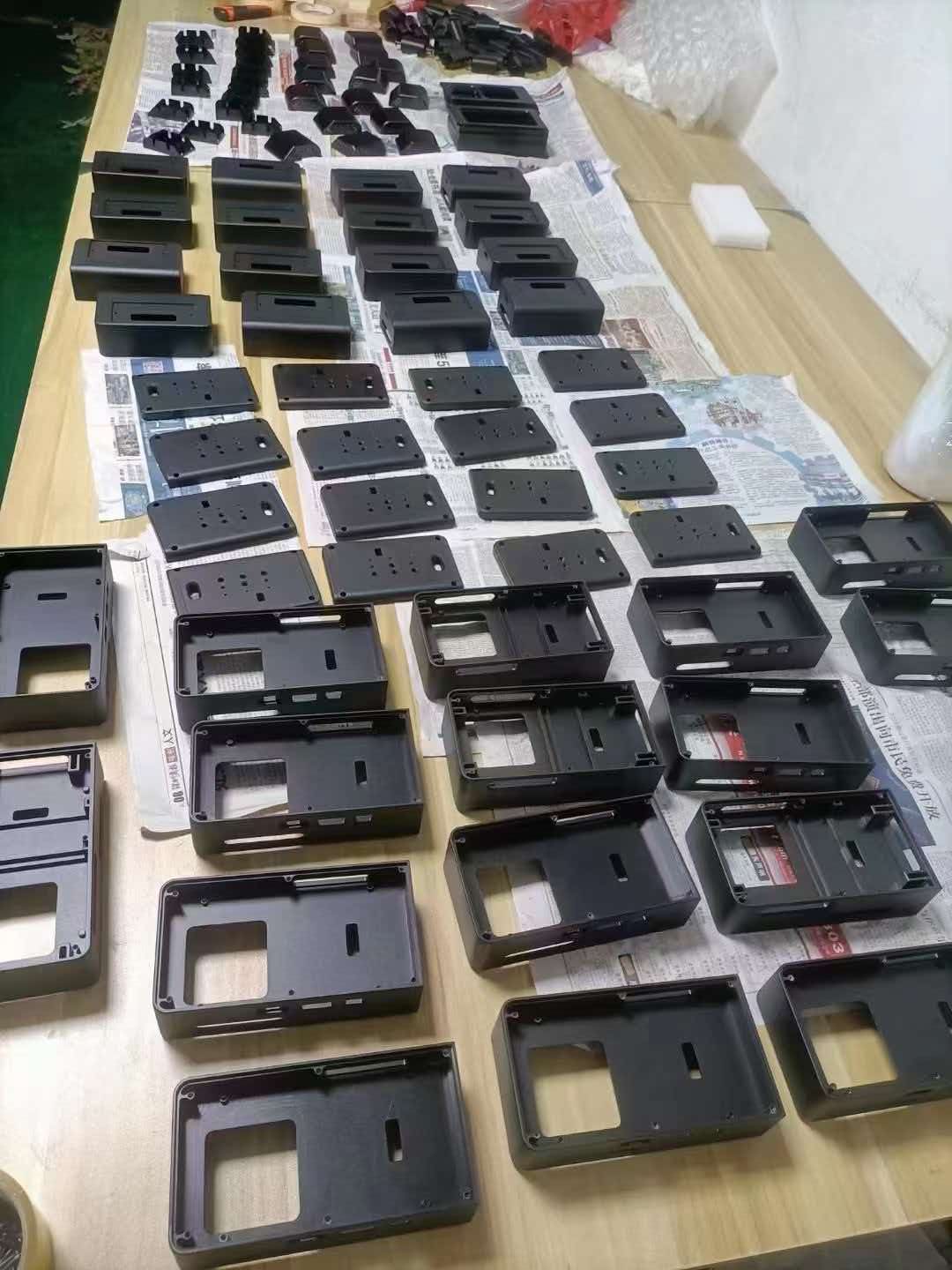
Low-volume, high fidelity
Production-grade parts without injection tooling
A single silicone mold yields 10–20 copies; a master can spawn several molds for runs up to ~200 pieces. Cast parts mimic the look and feel of injection-molded ABS, PP or soft-touch TPE.
- ABS-like, PP-like, PC-like and soft (Shore A) urethanes
- Clear, colored and rubber-like materials
- Excellent surface detail from a polished master
- Ideal for pre-production and market trials
Technical specifications
Process parameters
| Process | Silicone mold from SLA/master → polyurethane casting under vacuum |
| Materials | ABS-like, PP-like, PC-like, clear, soft-touch (Shore A 40–90) |
| Typical tolerance | ±0.2 mm (shrinkage compensated per material) |
| Mold life | ~10–20 casts per silicone mold |
| Batch size | 10 – 200 pieces (multiple molds) |
| Post-processing | Demold, flash removal, paint, coat, assemble |
| Best for | Pre-production, market test, spare & custom parts |
Pre-production runs
Validate the product before investing in tooling.
Soft-touch parts
Grips, overmolds and rubber-like components.
Clear enclosures
Transparent lenses and light guides.
Market trials
Small batches for crowdfunding or sales samples.
Spare parts
Low-demand components without molding cost.
Color-matched
Pantone-matched production appearance.
Silicone moldFrom master
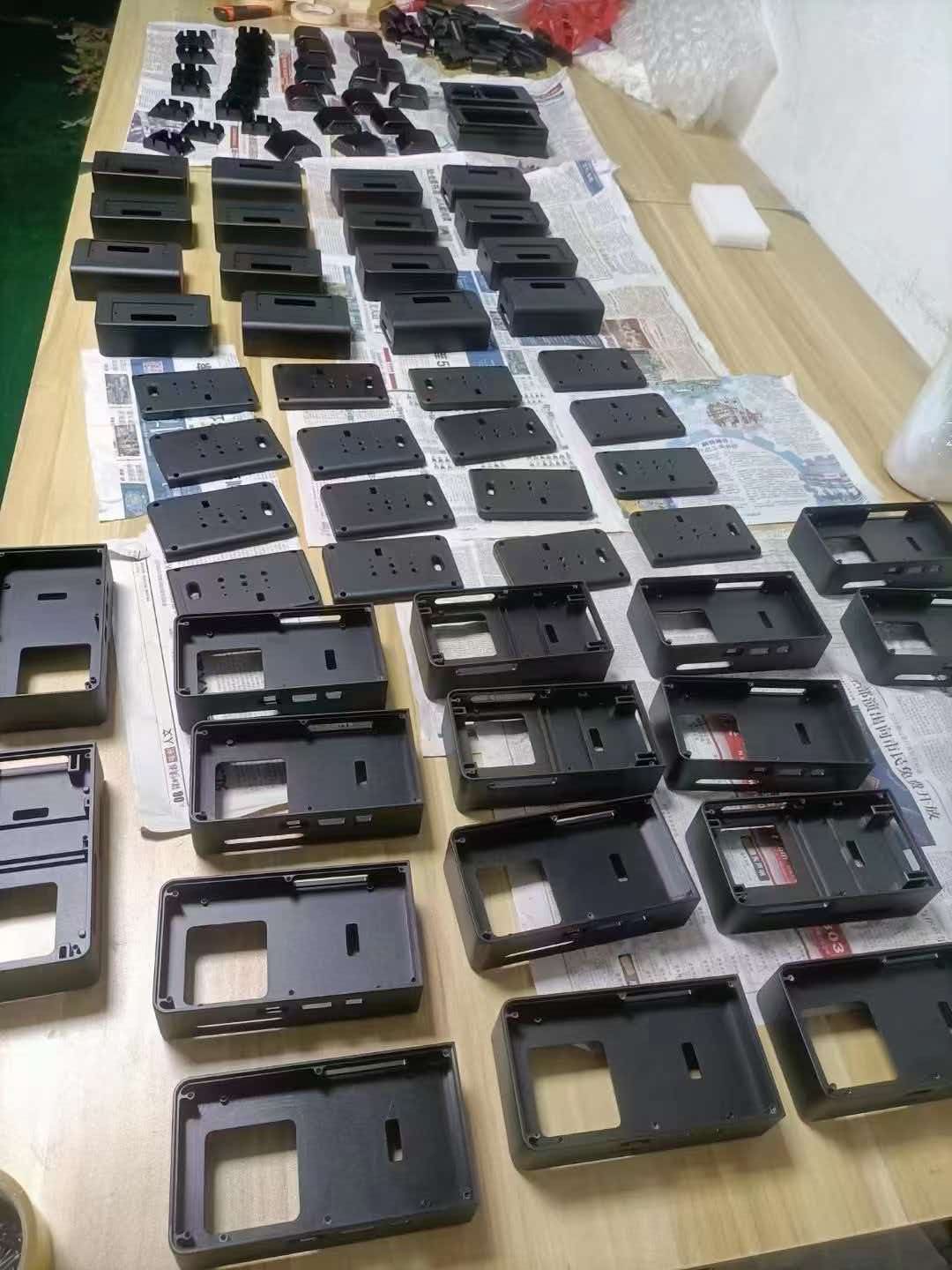
Cast shellUrethane
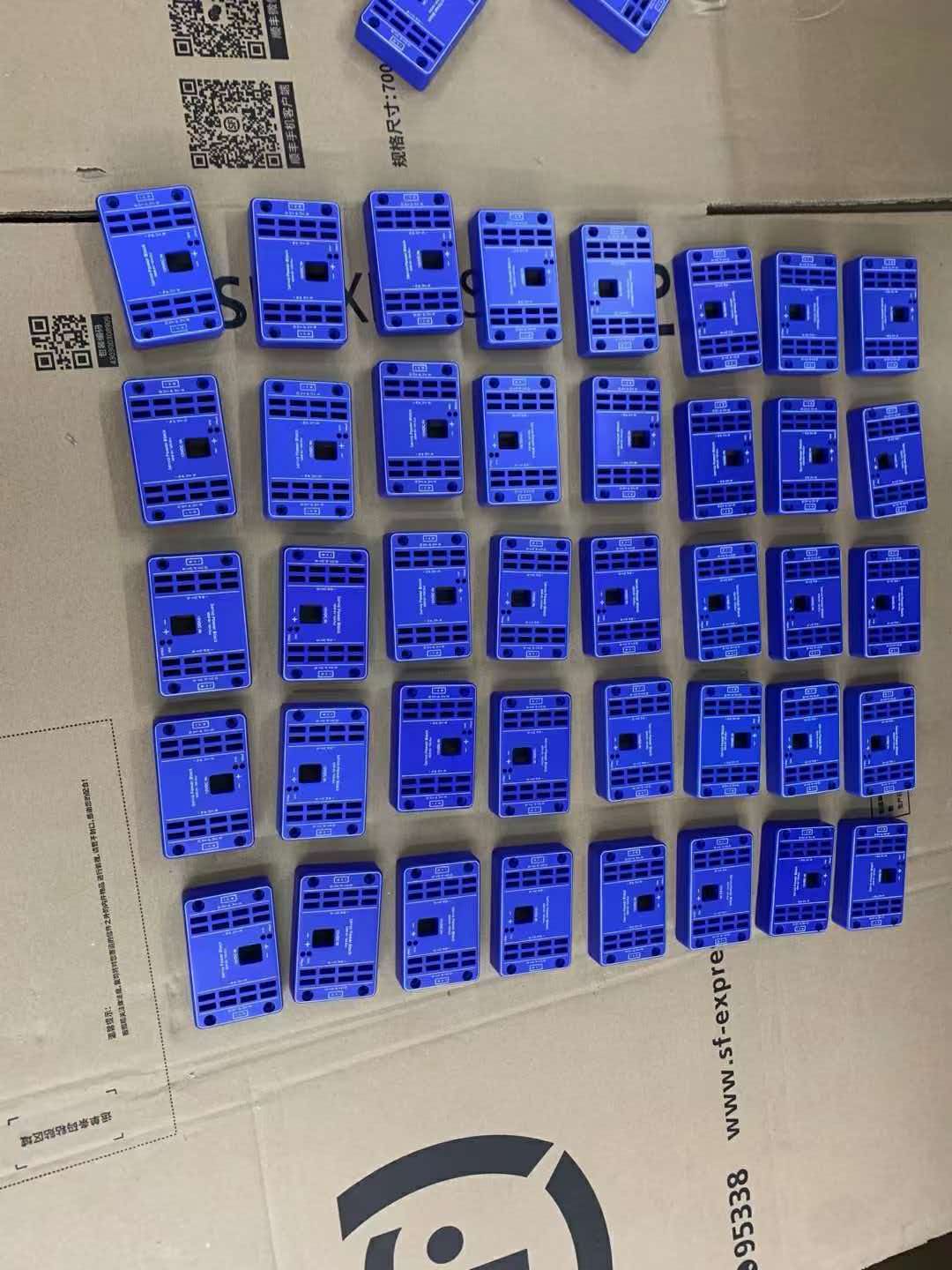
Cast partsLow-volume
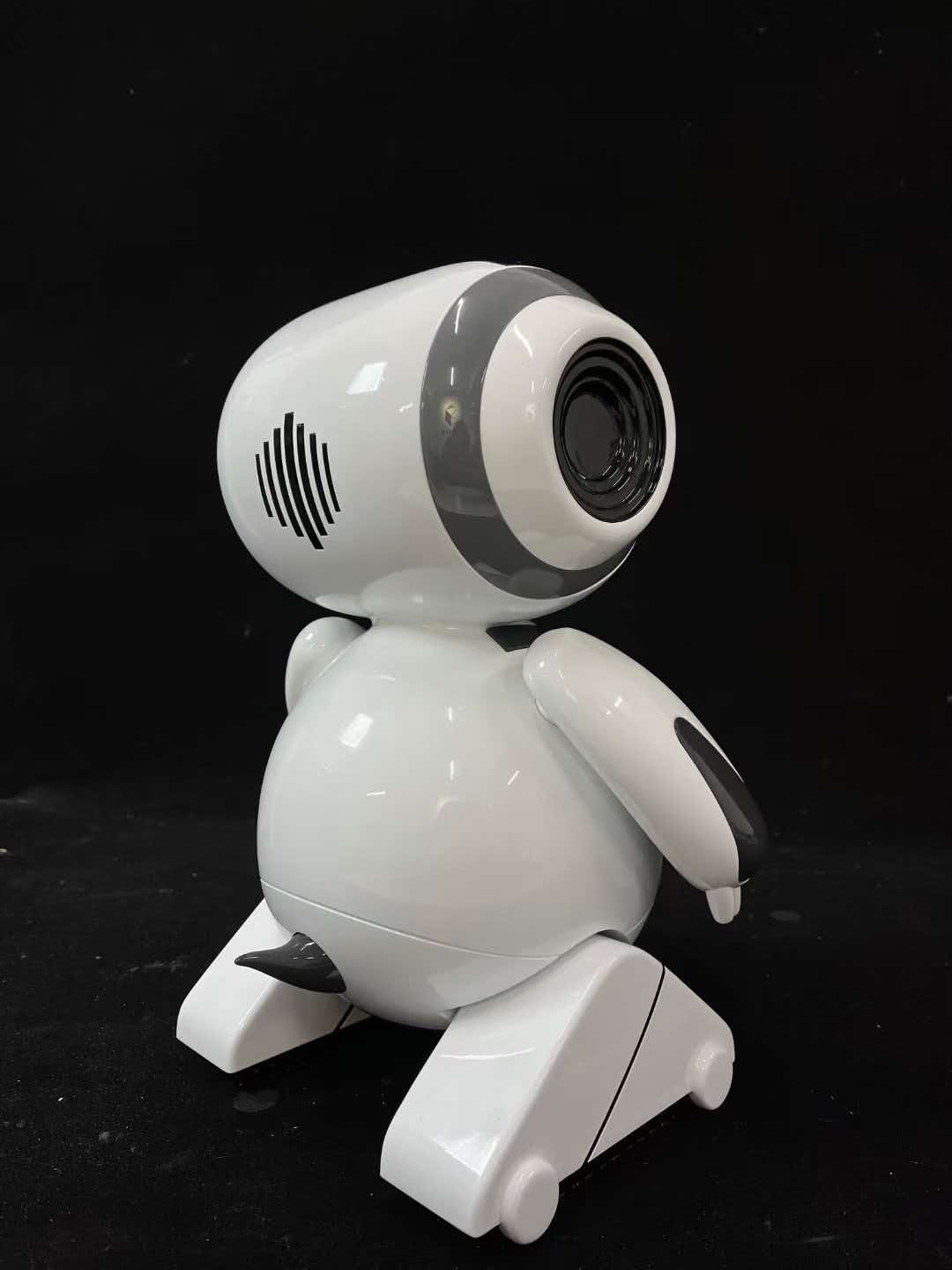
FinishedPaint-ready
Planning a low-volume run?
Tell us the quantity and material — we'll quote the mold and parts.
Get a Quote