Silicone-mold vacuum casting fills the gap between 3D printing and mass production for 10–200 parts.
Silicone-mold vacuum casting fills the gap between 3D printing and mass production for 10–200 parts.
Between a handful of prototypes and full injection molding lies an awkward volume: 10 to 200 parts. Tooling for injection molding is expensive and slow to justify at that count. Vacuum casting is the bridge.
How it works
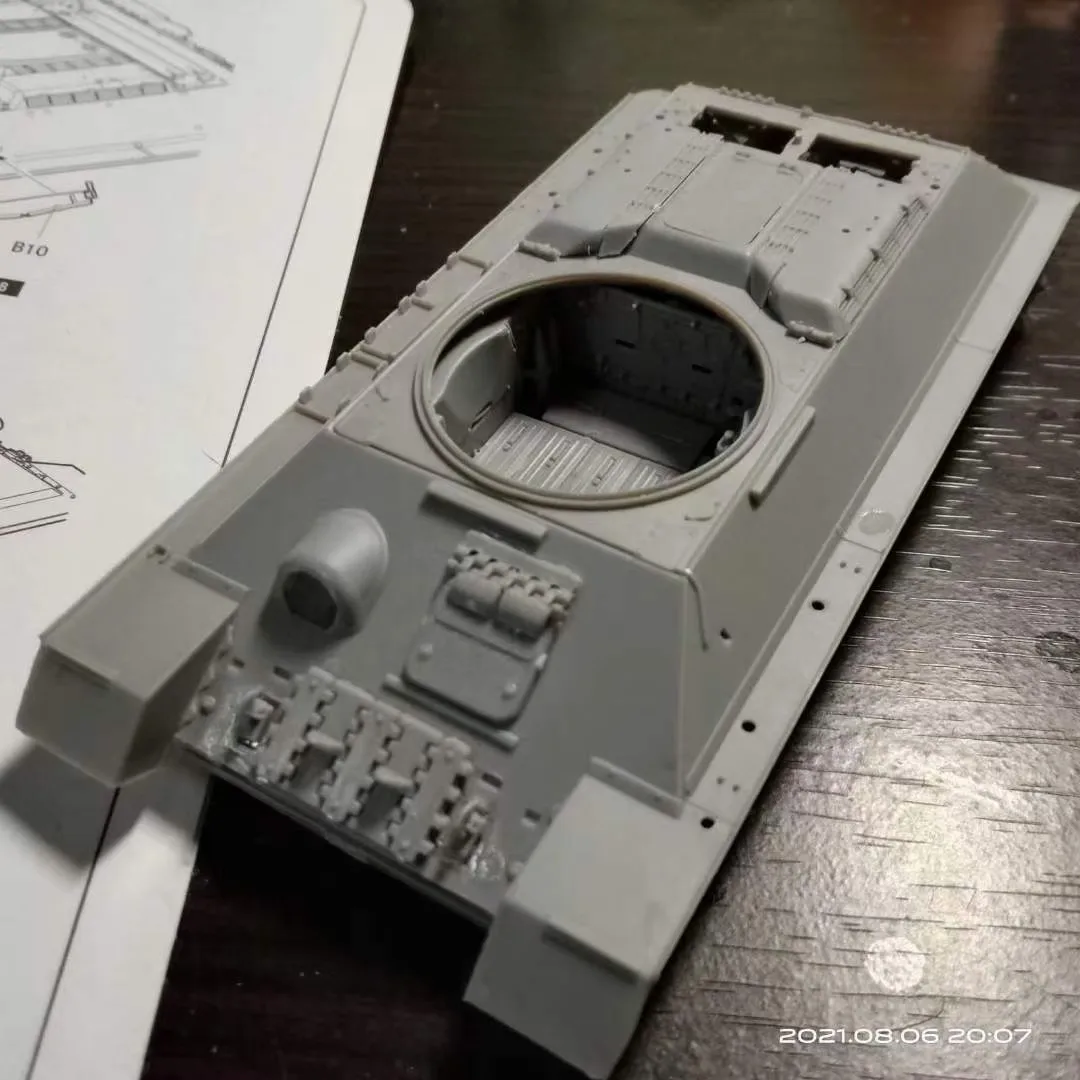
We make a master from SLA or CNC, then build a silicone mold around it. Urethane resin is cast under vacuum, reproducing fine detail. A single mold typically yields 10–20 casts.
Where it pays off
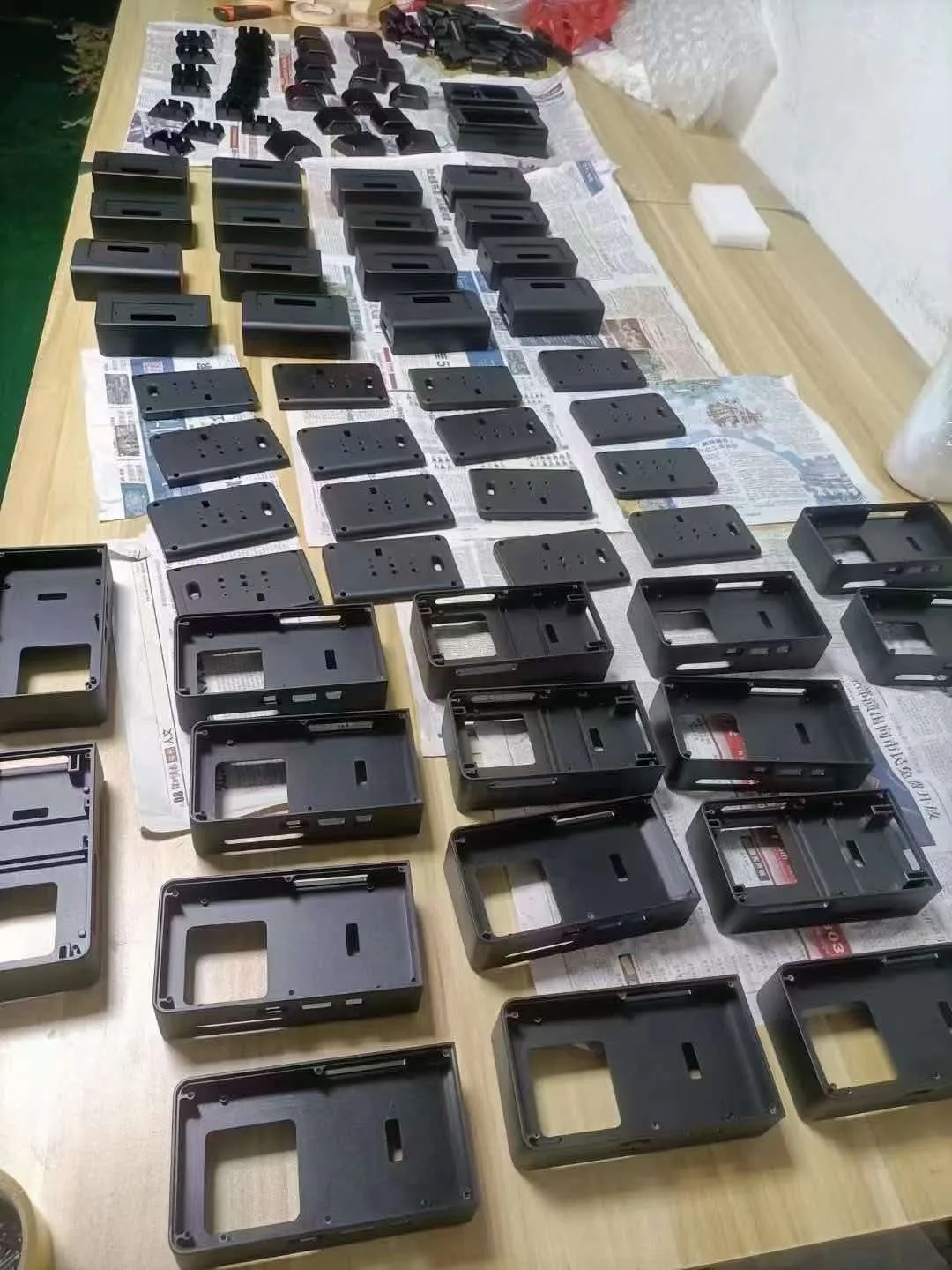
- Appearance and functional parts in production-like materials.
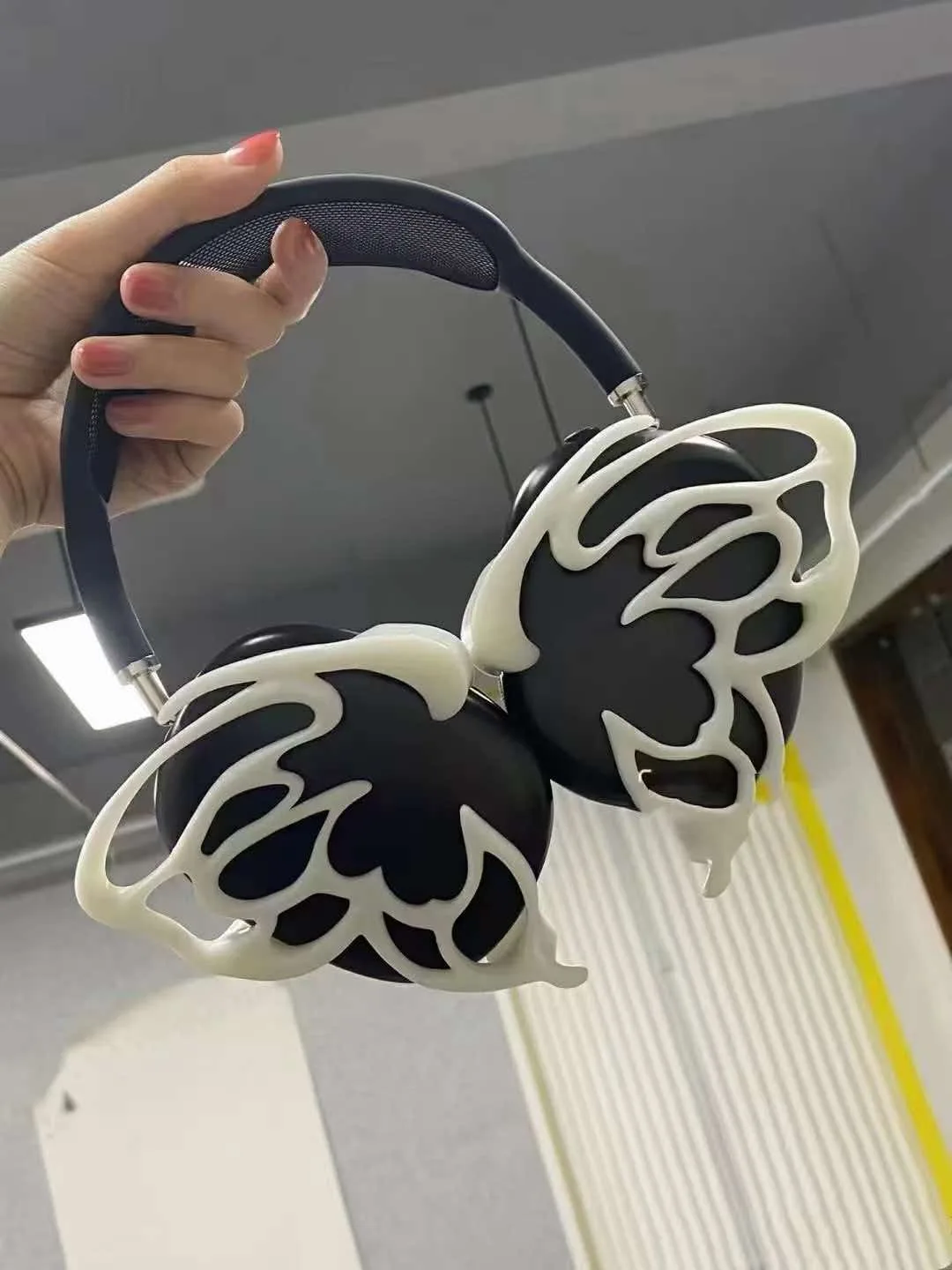
- Soft-touch, clear or coloured resins without a steel tool.
- Bridge production while injection tooling is being built.
For volumes under ~200, vacuum casting usually beats molding on both cost and speed. Talk to us about your quantity.