A practical comparison of resin (SLA) and nylon (SLS) 3D printing for fit, function and appearance prototypes.
A practical comparison of resin (SLA) and nylon (SLS) 3D printing for fit, function and appearance prototypes.
Two processes dominate plastic prototyping: SLA (stereolithography, resin) and SLS (selective laser sintering, nylon). Both are additive, but they behave very differently in the hand.
SLA — best for detail and smooth surfaces
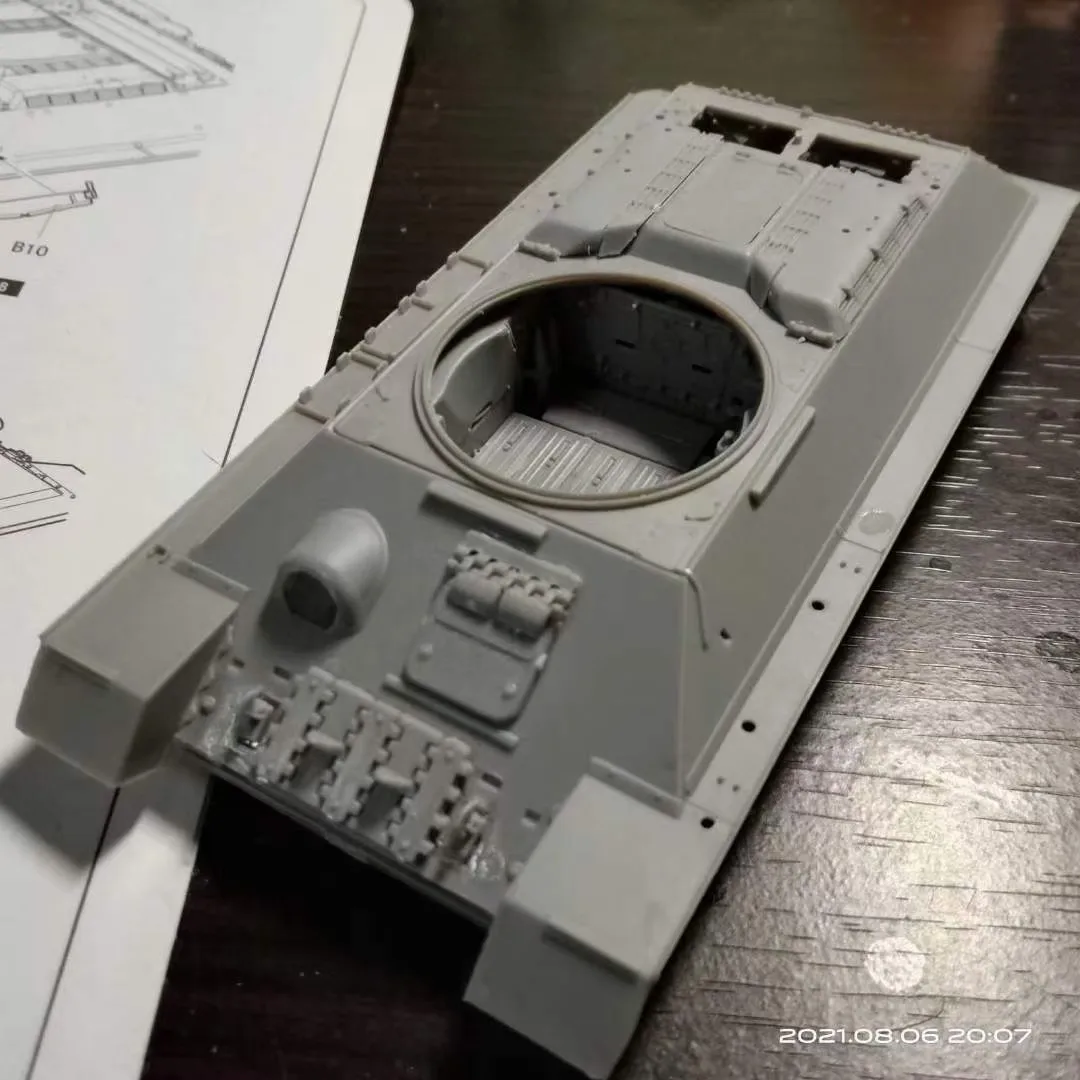
SLA cures liquid resin with a laser. The result is fine feature resolution and very smooth walls, which makes it ideal for visual models, form-fit checks and masters for vacuum casting. Parts are rigid unless you pick a flexible or tough resin.
SLS — best for strong, functional parts
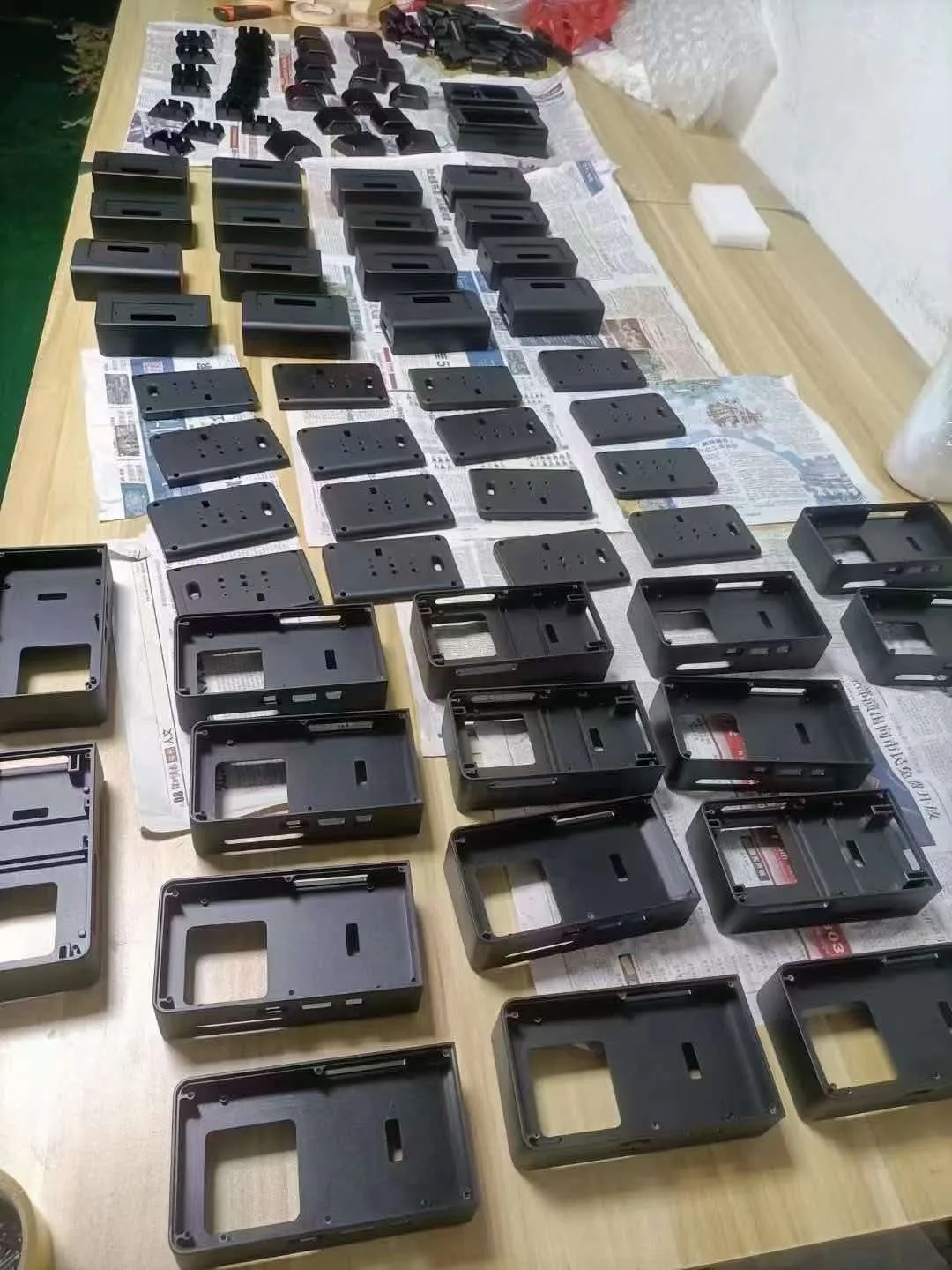
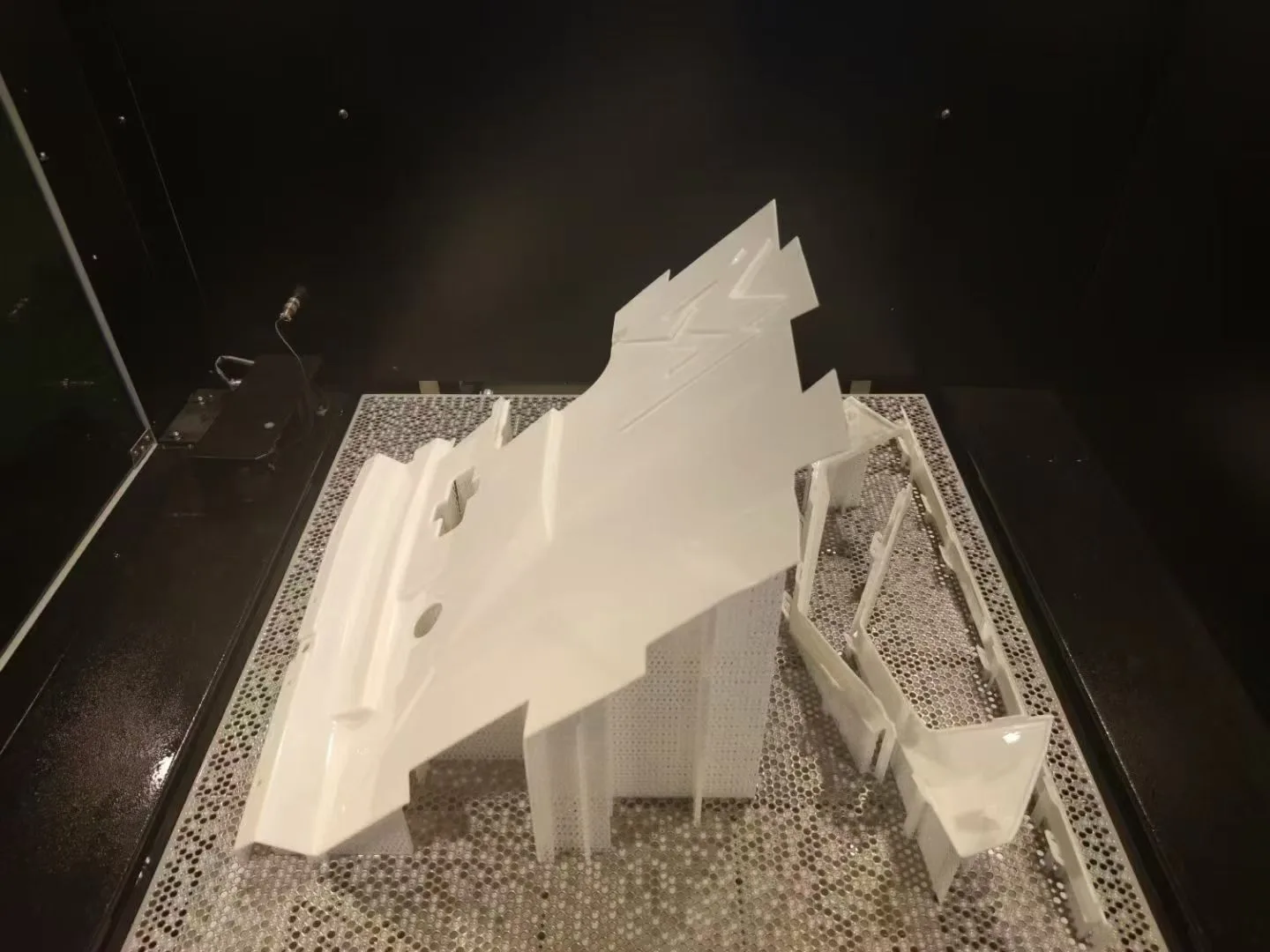
SLS fuses nylon powder, so parts need no support structures and can be highly complex. Nylon is tough and slightly flexible, so SLS suits functional brackets, living hinges and low-volume end-use components.
Quick decision rule
- Need a showroom-quality appearance model? Choose SLA.
- Need a part that will be handled, clipped or loaded? Choose SLS.
- Need dozens of small parts in one build? SLS wins on batch economics.
Still unsure? Send your file and we'll recommend the best fit during DFM review.